
Location
Grimsby & the Humber.
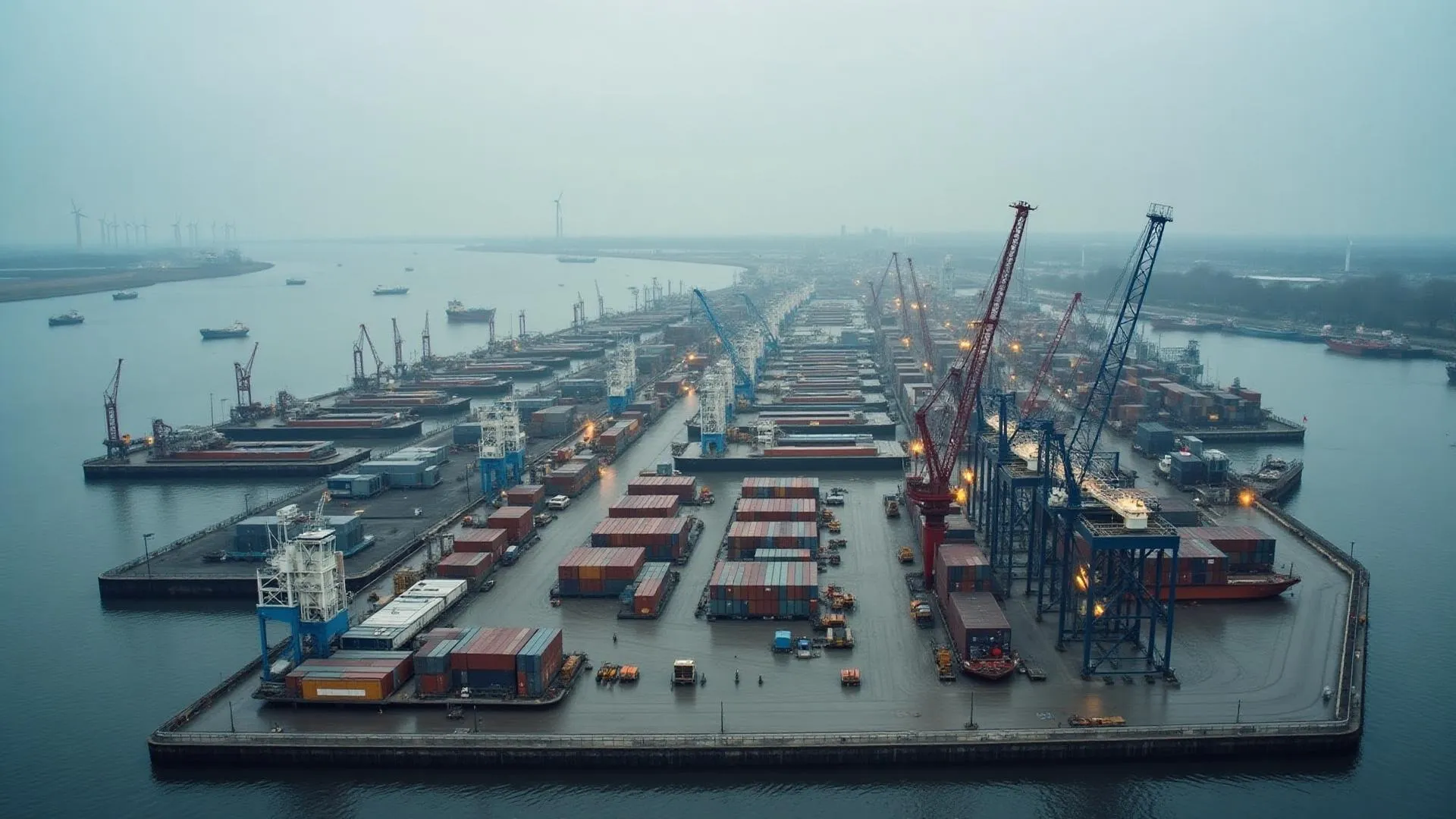
A 5.75-acre site in North-East Lincolnshire, between the Port of Grimsby and the Port of Immingham - inside the UK's largest operational offshore-wind cluster.
UK's energy estuary
Where Britain's offshore wind comes ashore.
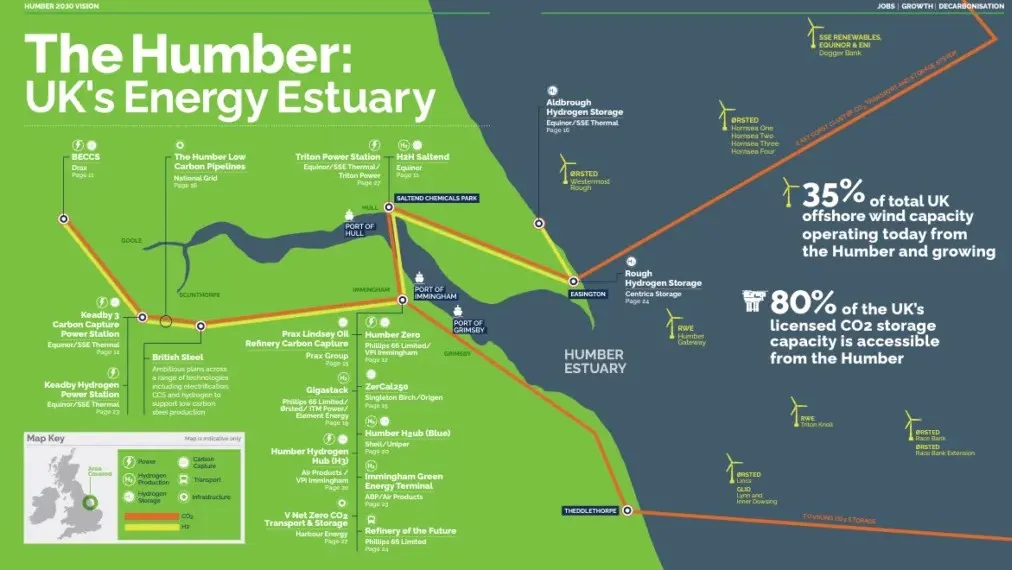
The Humber generates 35% of the UK's operational offshore-wind capacity and holds 80% of the country's licensed CO₂ storage. It's the national centre of gravity for decarbonisation - and the natural home for a plant that turns end-of-life blades back into infrastructure-grade material.
- Deep-water port access at Grimsby and Immingham
- Within the Humber industrial decarbonisation cluster
- Co-located with operators, OEMs and decommissioning specialists
Why Grimsby
Built where Britain's offshore wind comes ashore.
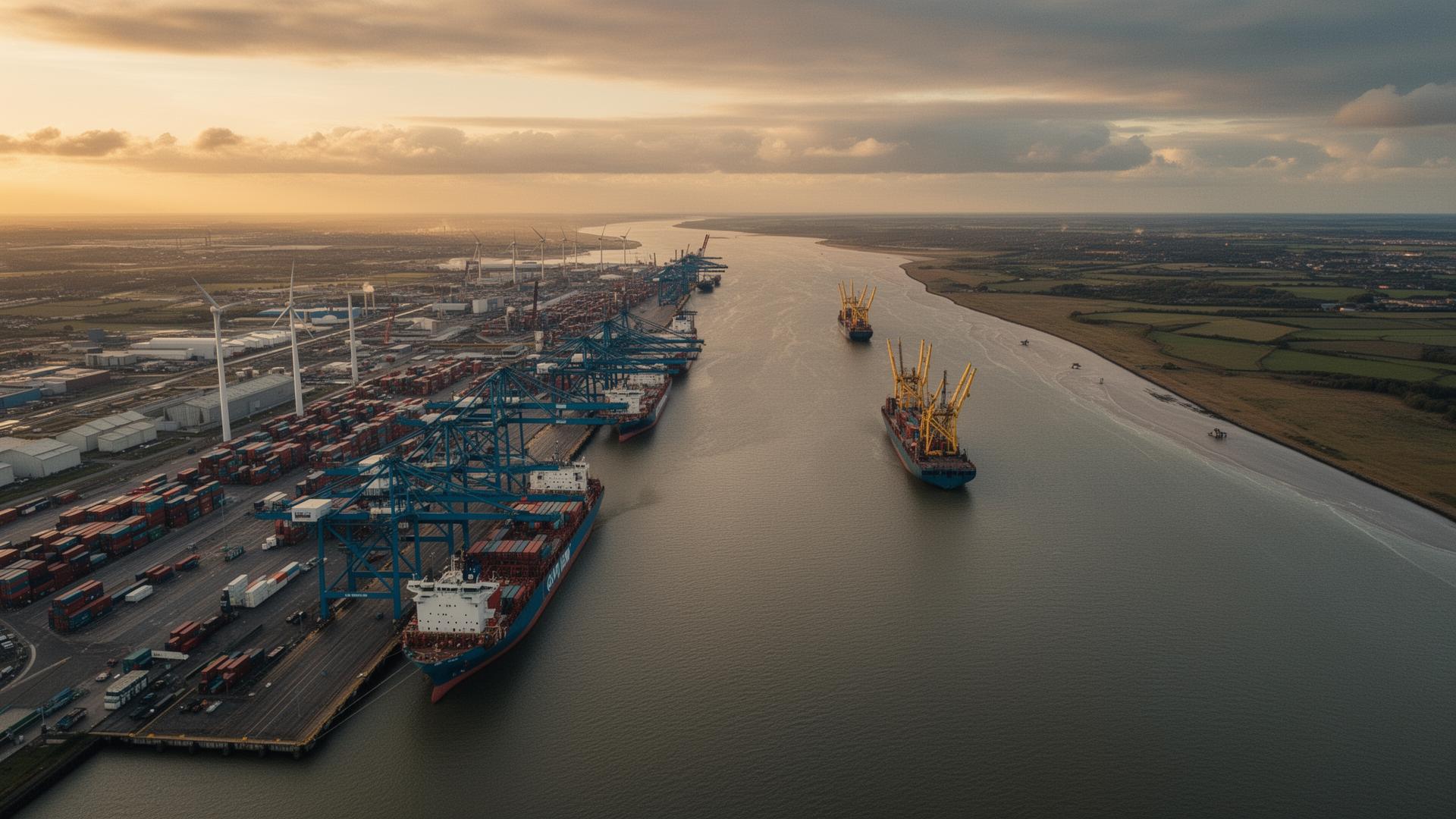
Grimsby and the Humber sit at the centre of the UK's clean-industrial future. We've secured a 5.75-acre site in North-East Lincolnshire, between the Port of Grimsby and the Port of Immingham, inside the wider Humber offshore wind cluster - one of the UK's most strategically important clean-energy regions.
01
Offshore wind capital
Adjacent to the world's largest operational offshore wind cluster.
02
Deep-water port access
Direct sea logistics for end-of-life blade recovery and board export.
03
Skilled industrial workforce
Generations of marine, energy and engineering expertise.
04
Strategic UK location
Centred between major construction and infrastructure markets.
05
Renewables ecosystem
Co-located with operators, OEMs and decommissioning specialists.
06
Levelling-up alignment
Anchored in a region targeted for industrial regeneration.
07
Decommissioning pipeline
Direct access to the UK's growing end-of-life wind turbine blade supply.
08
Net-zero corridor
Aligned with the Humber's national decarbonisation strategy.
Operational impact at full production
£20.1m
Local GVA generated annually
Up to 60
Direct roles, plus ~120 induced local jobs
1.8-2.0m m²
Ultra-low carbon board output per year
375-750
Wind turbine blades recycled per year
15-22.5kt
Composite material processed annually
"The next chapter of British industry will be written where energy meets the coast - and rebuilt from the materials that got us here."
Area
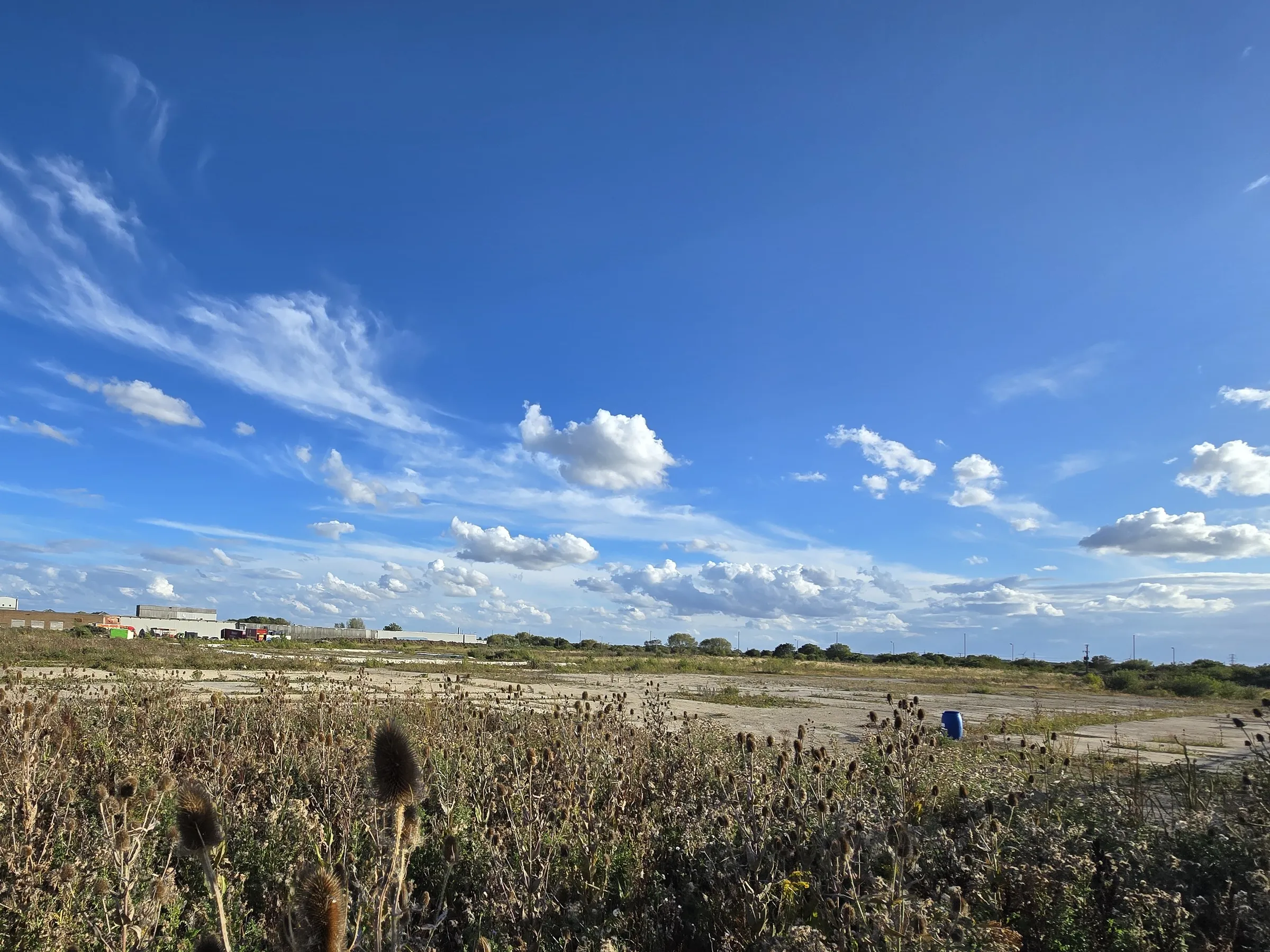
5.75 acres
Location
Grimsby - Immingham
Zone
Humber industrial cluster
The site
Serviced, connected, strategically placed.
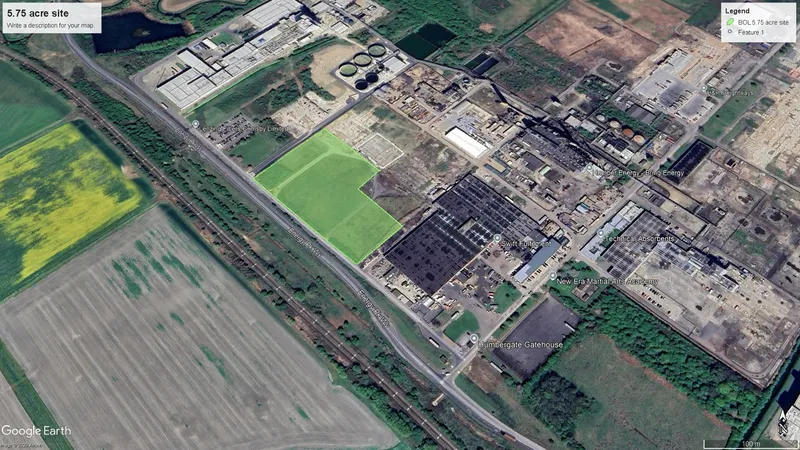
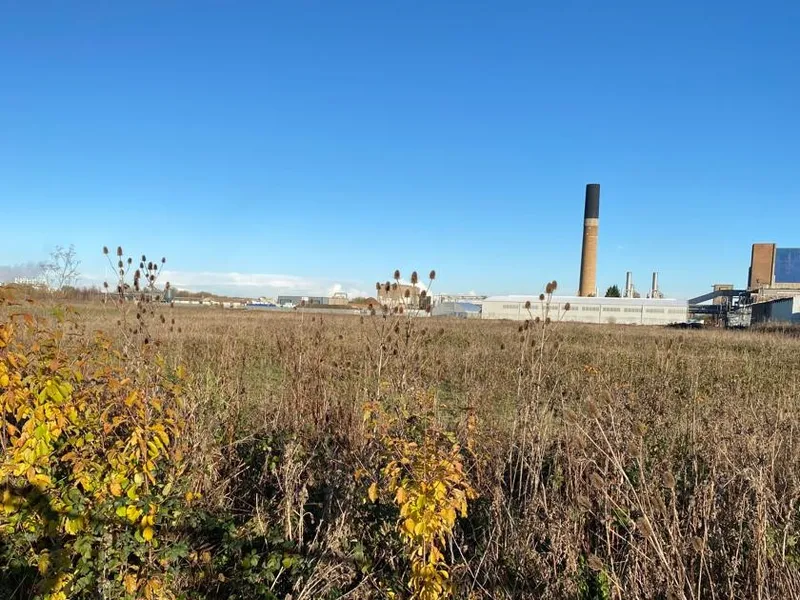
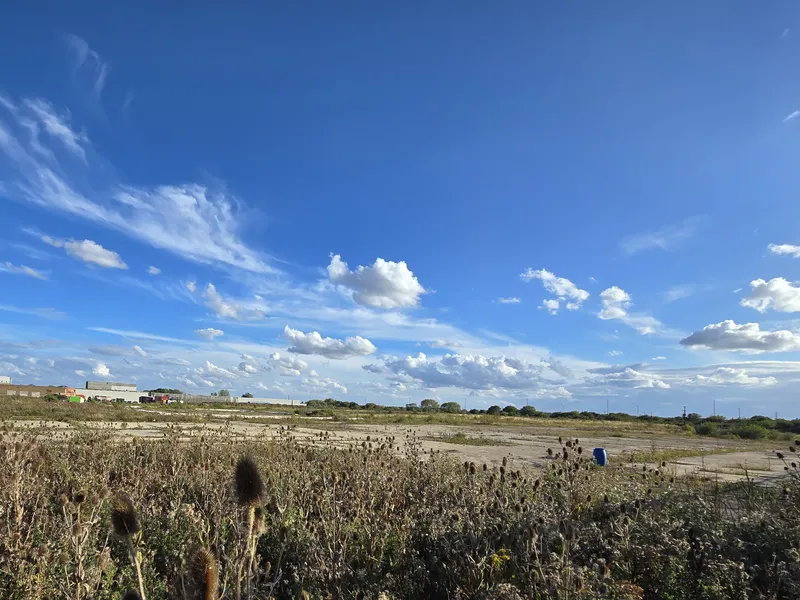
Site secured. Planning and permitting in progress.
Vision
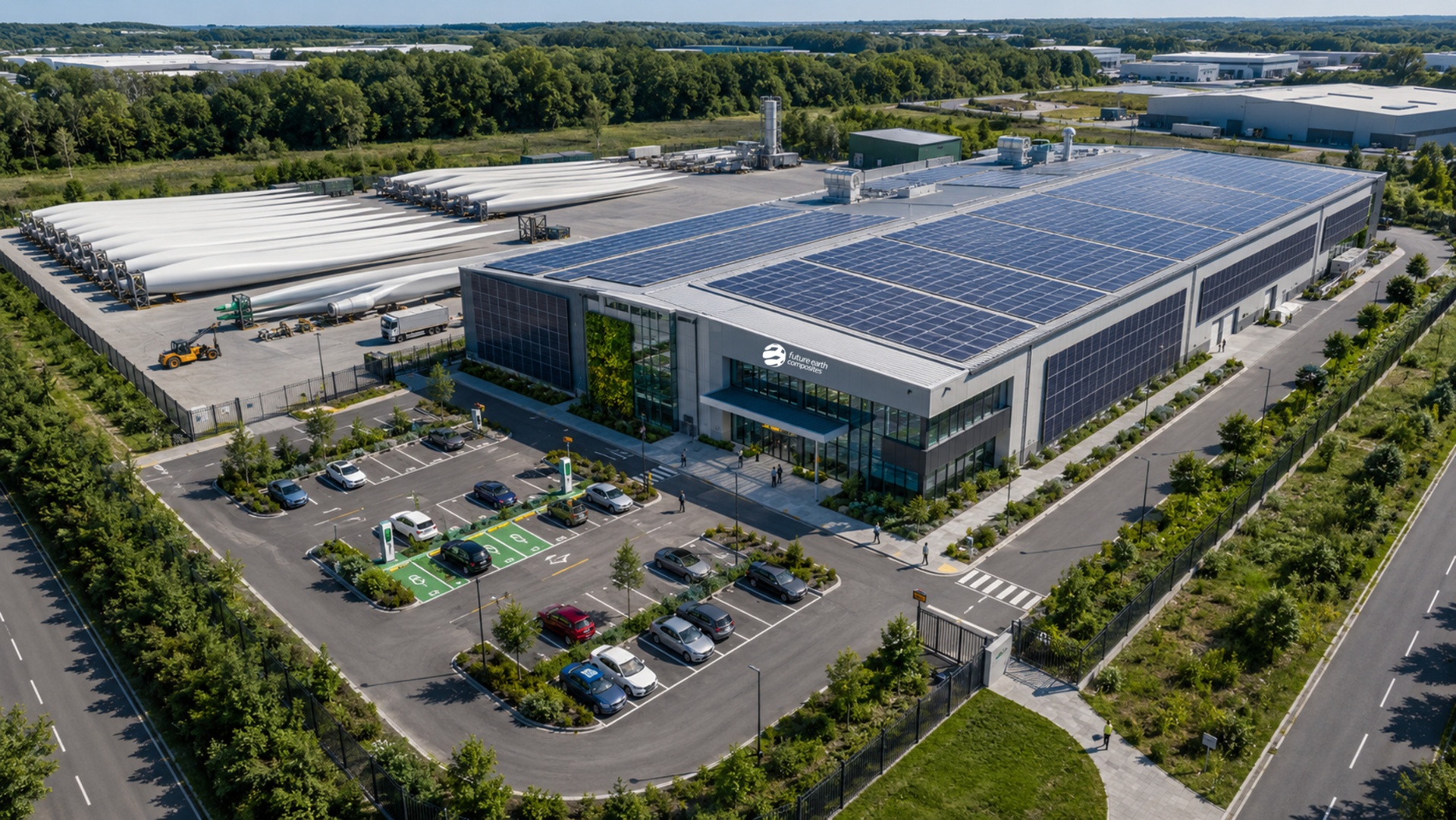
The FEC Grimsby facility.
A purpose-built, solar-clad plant designed around the circular process - receiving blades on one side, dispatching ultra-low-carbon boards on the other.
Get involved